
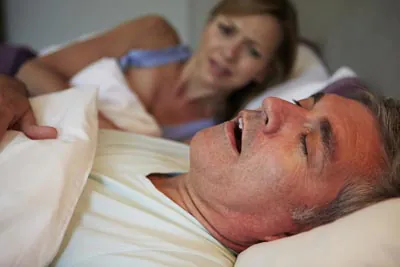
Most people snore occasionally, but persistent, loud snoring may be more than just an annoying nighttime habit. In some cases, it can be a sign of obstructive sleep apnea (OSA), a sleep disorder that causes repeated interruptions in breathing throughout the night.
The tricky part? Many people with sleep apnea don't realize anything is wrong. They may assume they're simply light sleepers or aren't getting enough rest, while their bed partner notices loud snoring, gasping, or pauses in breathing.
Understanding the difference between ordinary snoring and sleep apnea is important for protecting your sleep quality and overall health. The good news is that treatment options are available, including custom oral appliances that can help keep your airway open while you sleep.
At Alex Martin, DDS, Dr. Martin offers custom-fit sleep appliances for patients with obstructive sleep apnea. Here's what to watch for and when it may be time to explore treatment.
What's the Difference Between Snoring and Sleep Apnea?
Snoring occurs when air moves through a partially narrowed airway, causing the surrounding soft tissues to vibrate. It can happen when you're sleeping on your back, dealing with nasal congestion, or experiencing normal relaxation of the throat muscles during sleep.
While occasional snoring is common, persistent or particularly loud snoring may indicate an underlying airway problem.
Obstructive sleep apnea is more serious. It occurs when the muscles and soft tissues in the back of the throat relax enough to partially or completely block airflow during sleep.
When breathing stops or becomes significantly reduced, oxygen levels can drop. Your brain responds by briefly waking you or shifting you into a lighter stage of sleep so breathing can resume.
This cycle can happen repeatedly throughout the night, disrupting your sleep even if you don't remember waking up.
Although snoring is a common symptom of obstructive sleep apnea, not everyone who snores has the condition. Likewise, some people with sleep apnea may not snore noticeably.
That's why recognizing additional symptoms is so important.
Common Signs of Obstructive Sleep Apnea
One of the biggest challenges with sleep apnea is that symptoms often happen while you're asleep. You may not realize you're experiencing interrupted breathing unless someone else notices.
Some common warning signs include:
- Loud, persistent snoring: Frequent snoring, particularly when accompanied by other symptoms, may indicate an airway obstruction.
- Pauses in breathing: A bed partner may notice that you periodically stop breathing before suddenly gasping or snorting.
- Waking up gasping or choking: Brief awakenings caused by difficulty breathing can be a sign of sleep apnea.
- Morning headaches: Changes in oxygen levels and disrupted sleep may contribute to headaches upon waking.
- Dry mouth: Waking up with a dry mouth or sore throat can sometimes accompany nighttime breathing problems.
- Daytime fatigue: Even after spending several hours in bed, you may feel exhausted throughout the day.
- Difficulty concentrating: Poor-quality sleep can affect memory, focus, and mental alertness.
You don't need to experience every symptom to have sleep apnea. If you're consistently waking up groggy or your partner has noticed pauses in your breathing, it's worth discussing your concerns with a healthcare provider.
Why Does Sleep Apnea Matter for Your Overall Health?
Sleep is essential for physical and mental health. When your breathing repeatedly stops or becomes restricted during the night, your body doesn't receive the consistent, restorative sleep it needs.
Untreated obstructive sleep apnea has been associated with several health concerns, including:
- High blood pressure.
- Heart disease and heart attacks.
- Increased risk of stroke.
- Type 2 diabetes.
- Daytime fatigue and impaired concentration.
- Mood changes and depression.
Repeated drops in oxygen levels and frequent sleep disruptions can place additional stress on the cardiovascular system.
Sleep apnea can also affect your everyday life. Persistent fatigue may make it harder to concentrate at work, stay alert while driving, or enjoy activities you normally look forward to.
Seeking an evaluation and appropriate treatment can help improve sleep quality and manage the potential health risks associated with the condition.
What Causes Obstructive Sleep Apnea?
Obstructive sleep apnea develops when the airway becomes narrowed or blocked during sleep. As the muscles in your throat relax, the tongue and surrounding soft tissues can shift backward and restrict airflow.
Several factors may increase your risk, including:
- Excess body weight, which can contribute to additional tissue around the airway.
- A naturally narrow airway or certain jaw and facial structures.
- Enlarged tonsils or other anatomical factors.
- Aging and changes in muscle tone.
- Family history of sleep apnea.
- Alcohol or sedative use before bedtime.
Sleep apnea can affect adults of all ages and body types. You don't have to fit a particular profile to experience symptoms.
If you suspect you have sleep apnea, a proper evaluation is important. A sleep study, arranged through a qualified medical or sleep provider, can determine whether you have the condition and help establish its severity.
How Can a Dentist Help With Sleep Apnea?
You might not immediately think of your dentist when considering sleep apnea treatment, but dentists can play an important role in managing obstructive sleep apnea.
At Alex Martin, DDS, Dr. Martin offers custom-fitted oral appliances designed to help keep the airway open during sleep.
These appliances work by gently positioning the lower jaw slightly forward. This helps prevent the tongue and surrounding soft tissues from collapsing backward and obstructing the airway.
A custom sleep appliance offers several benefits:
- Custom fit: The appliance is made to fit your mouth for comfortable nighttime wear.
- No bulky mask: Unlike CPAP therapy, oral appliances don't require a mask or continuous airflow.
- Quiet operation: The appliance works silently while you sleep.
- Reduced snoring: Repositioning the lower jaw can help improve airflow and reduce snoring.
- Improved sleep quality: For appropriate patients, reducing airway obstructions may help decrease sleep disruptions.
Oral appliance therapy may be an alternative to CPAP for some patients with obstructive sleep apnea, particularly those with mild to moderate cases or those who have difficulty tolerating CPAP. It may also be used alongside other treatments when recommended.
The right approach depends on your diagnosis, the severity of your condition, and your individual health needs.
What to Expect From a Custom Sleep Appliance
If you've been diagnosed with obstructive sleep apnea and are interested in oral appliance therapy, Dr. Martin can evaluate whether a custom device may be appropriate.
The process generally involves:
1. Consultation and Evaluation
Dr. Martin will discuss your symptoms, review relevant medical and sleep study information, and evaluate your oral health to determine whether you're a candidate for an oral appliance.
2. Custom Appliance Creation
If treatment is appropriate, dental impressions or digital scans are used to create an appliance designed specifically for your mouth.
3. Fitting and Adjustments
Once your appliance is ready, Dr. Martin will check its fit and make adjustments as needed to support comfort and proper positioning.
4. Follow-Up Care
Follow-up appointments help ensure your appliance continues to fit properly and that treatment is progressing as expected. Your sleep provider may also recommend follow-up sleep testing to evaluate how well the appliance is managing your sleep apnea.
The goal is to find a comfortable, effective solution that helps you breathe more easily and enjoy more restful nights.
Is a Sleep Appliance Right for You?
A custom oral appliance may be worth exploring if:
- You've been diagnosed with obstructive sleep apnea.
- You snore loudly or frequently.
- Your bed partner has noticed pauses in your breathing.
- You wake up feeling tired despite getting a full night's sleep.
- You have difficulty tolerating CPAP therapy.
- You're interested in a more compact, mask-free treatment option.
Keep in mind that snoring alone doesn't confirm sleep apnea. A proper diagnosis is important before beginning treatment, and an oral appliance isn't appropriate for every patient.
If you're experiencing symptoms, talk with your healthcare provider about a sleep evaluation and discuss oral appliance options with a qualified dental professional.
Sleep Better With Help From Alex Martin, DDS
Snoring may seem harmless, but persistent nighttime breathing problems shouldn't be ignored. If you're frequently waking up tired, experiencing morning headaches, or have been told that you stop breathing while asleep, it may be time to explore whether obstructive sleep apnea is affecting your health.
At Alex Martin, DDS, Dr. Martin offers custom-fit sleep appliances designed to help appropriate patients manage obstructive sleep apnea and reduce snoring. Our team takes a personalized approach to treatment, helping patients find comfortable solutions that support better sleep and overall well-being.
You don't have to settle for restless nights and groggy mornings. Contact Alex Martin, DDS, today to schedule a consultation and learn more about custom sleep apnea appliances in Scottsdale, AZ!
